The Influence of Travel Fatigue on Athlete Outcomes in Extended Tournament Formats
Clara Werner · Jul 24, 2026
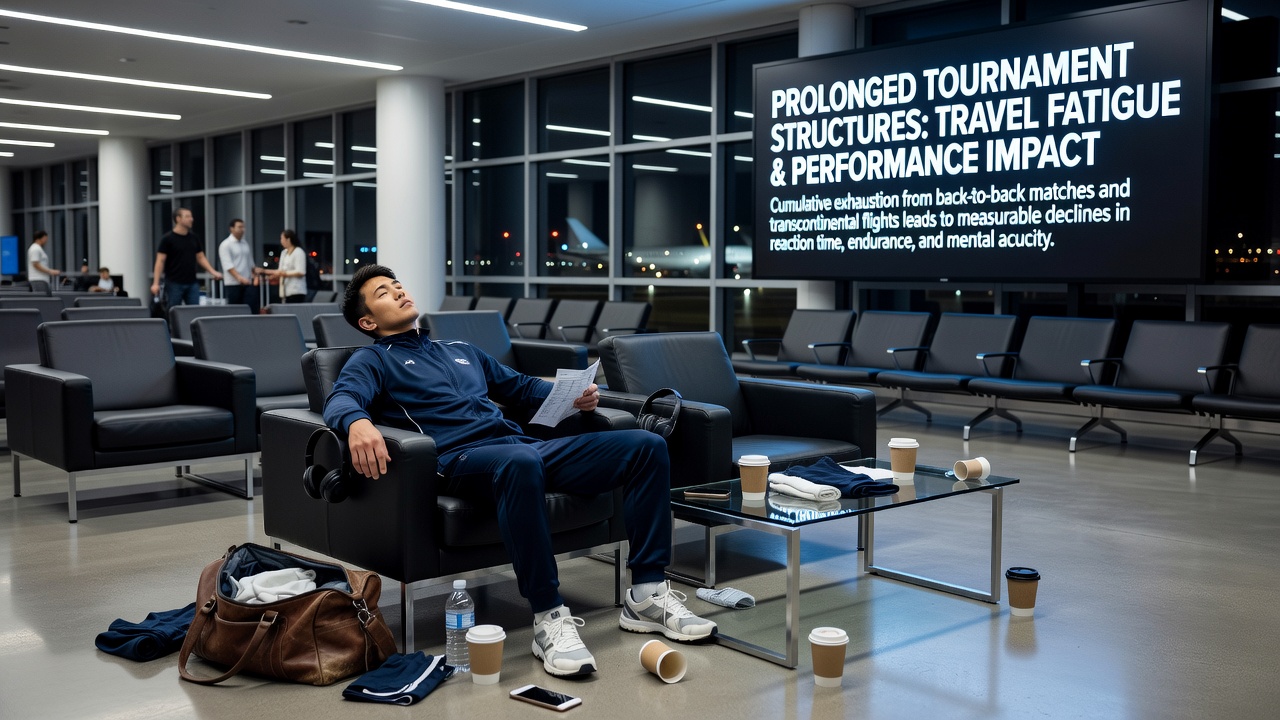
The Influence of Travel Fatigue on Athlete Outcomes in Extended Tournament Formats
Competitive sports place significant demands on participants who must navigate multiple venues across wide geographic areas while maintaining peak physical condition throughout extended schedules, and travel fatigue emerges as a key variable that alters reaction times, endurance levels, and decision-making accuracy in events spanning several weeks or months.
Core Components of Travel Fatigue
Travel fatigue combines circadian disruption from time zone shifts, muscle stiffness from prolonged sitting, and sleep fragmentation that accumulates when athletes move between cities without adequate recovery windows, and these elements interact to reduce glycogen stores while elevating cortisol markers according to data collected by sports physiology teams during multi-stage competitions.
Researchers at institutions across North America and Europe have documented how jet lag compounds with the physical load of carrying equipment and adapting to new climates, creating measurable drops in sprint speed and grip strength that persist beyond the initial 48 hours after arrival, while prolonged tournaments such as tennis majors or cycling grand tours extend this exposure over repeated legs of travel.
Physiological Pathways and Performance Data
Disrupted melatonin cycles impair neuromuscular coordination and slow muscle repair processes, leading to higher injury rates in later rounds when athletes have crossed several meridians without full circadian realignment, and studies tracking heart rate variability show sustained elevations in resting pulse that correlate with diminished power output during high-intensity phases of matches or races.
Evidence from monitoring programs indicates that athletes traveling more than five time zones experience average reductions in serve accuracy and shot placement precision ranging from 8 to 12 percent in the first three days post-arrival, with effects lingering longer in older competitors whose recovery capacity has already declined, whereas those who incorporate structured light exposure and timed meals demonstrate faster stabilization of these metrics.
Psychological and Cognitive Dimensions
Beyond the body, travel fatigue influences concentration and emotional regulation because fragmented rest disrupts prefrontal cortex activity responsible for tactical planning, and tournament participants report increased irritability alongside slower pattern recognition when matches extend into evening sessions following overnight flights.
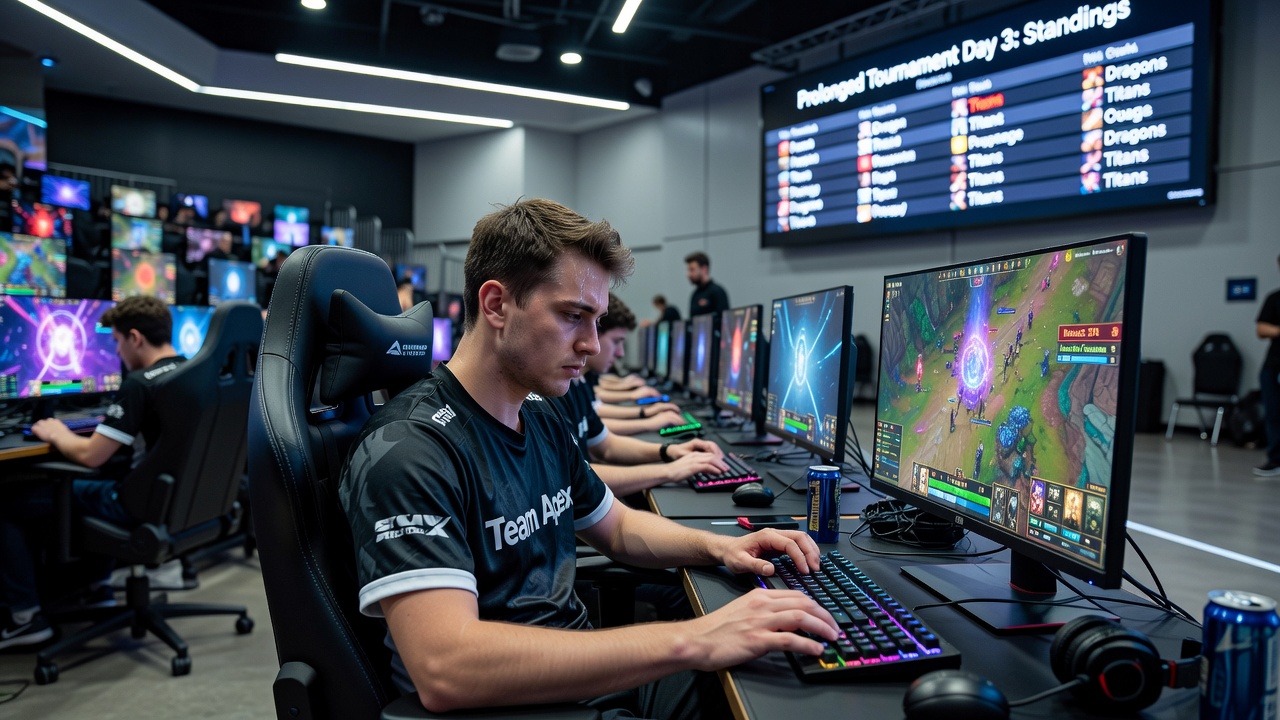
Observers note that cognitive testing administered midway through events like the Australian Open or the Tour de France reveals declines in working memory and reaction choice accuracy that align with cumulative travel hours, and these changes become particularly pronounced when schedules compress recovery periods between consecutive stages.
Observations from Events Leading into July 2026
As preparations advance toward the 2026 summer calendar, scheduling bodies have begun adjusting draw formats and rest allocations in response to accumulated performance datasets from prior seasons, and several governing organizations now require minimum recovery intervals after transcontinental movements to limit the compounding effects observed in previous cycles.
One study coordinated through the Sport Information Resource Centre in Canada tracked athletes across a season of international qualifiers and found that those who managed sleep hygiene protocols maintained higher win percentages in fifth sets or final stages compared with peers who accumulated greater travel loads without intervention, highlighting how structural tournament length amplifies small physiological differences into decisive outcome gaps.
Recovery Approaches Documented Across Regions
Teams employ phased light therapy, targeted nutrition timing, and compression protocols during layovers to accelerate resynchronization, while data from the Clearinghouse for Sport in Australia shows that structured napping combined with hydration adjustments can restore up to 70 percent of baseline cognitive scores within 72 hours even after multiple time zone crossings.
These methods integrate into broader periodization plans that treat travel days as active recovery segments rather than passive transit periods, allowing muscle activation routines and strategic meal planning to offset the catabolic effects of sitting for extended durations on aircraft or buses.
Conclusion
Travel fatigue operates through interconnected physiological and cognitive channels that measurably alter output across the duration of extended tournament structures, and organizations continue to refine scheduling and support protocols based on longitudinal performance records collected from diverse geographic regions. Continued monitoring through 2026 will provide further clarity on how adjustments in recovery windows and travel logistics translate into stabilized results for participants facing repeated long-distance movements.