Seasonal Shifts in Athletic Series Results: Patterns That Shape Placement Choices
Clara Werner · Aug 23, 2026
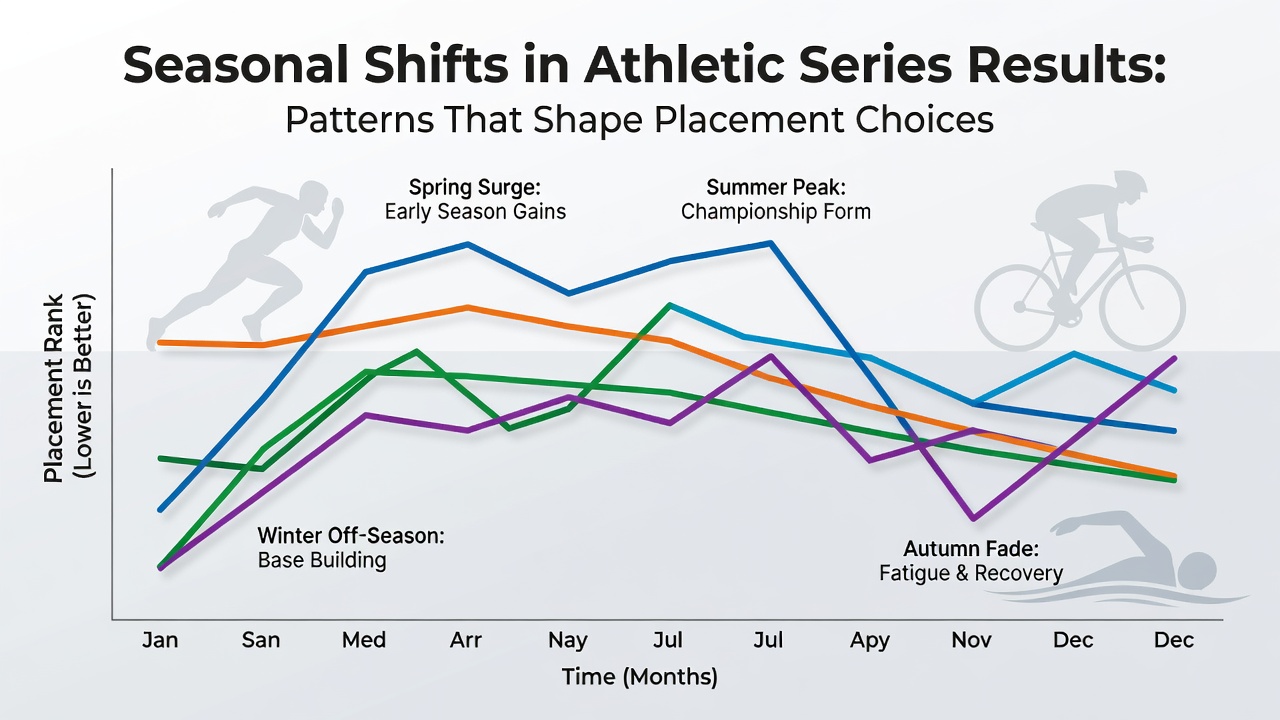
Seasonal Shifts in Athletic Series Results: Patterns That Shape Placement Choices
Seasonal changes influence athletic series outcomes through shifts in weather patterns, training cycles, and scheduling demands that affect team and individual results over time. Data from multiple leagues shows consistent trends where performance metrics such as win rates, scoring averages, and injury occurrences vary by month and climate zone. Researchers tracking these variables across North American and European competitions have documented how summer heat correlates with reduced endurance in certain sports while winter conditions alter game strategies in others.
Placement choices in final standings often reflect these cumulative effects, since early-season advantages can erode when later months introduce different environmental factors. Studies from the Australian Institute of Sport reveal that teams in outdoor leagues experience measurable drops in key performance indicators during transition periods between seasons. Those who have analyzed longitudinal data note that August 2026 schedules in several professional circuits will align with typical late-summer fatigue patterns observed in prior years, creating opportunities for mid-table squads to close gaps if they adjust preparation accordingly.
Weather Influences on Series Performance Metrics
Temperature and precipitation levels directly impact physiological responses during matches, leading to altered pacing and tactical adjustments. In baseball series spanning spring to fall, batting averages tend to rise in warmer months according to records compiled by major league statisticians, whereas pitching effectiveness declines when humidity increases. Soccer competitions in temperate regions demonstrate parallel patterns, with goal tallies fluctuating based on field conditions that change from one quarter to the next.
Indoor athletic events such as basketball and volleyball show subtler variations tied more to travel schedules than external weather, yet data still indicates seasonal dips during holiday breaks and academic calendars for collegiate programs. Observers tracking these events point out that recovery protocols become more critical during high-travel periods, which often coincide with specific calendar months. The result is a redistribution of competitive edges that shapes which squads secure top placements by season's end.
Training and Recovery Cycles Across Calendar Periods
Coaching staffs structure off-season work around anticipated seasonal demands, incorporating periodization models that prepare athletes for peak loads at designated points. Evidence from university research programs indicates that squads adhering to climate-specific conditioning maintain steadier results through transitional months compared with those using generic plans. And while individual talent remains a primary driver, collective adaptation to seasonal variables contributes measurably to series-long consistency.
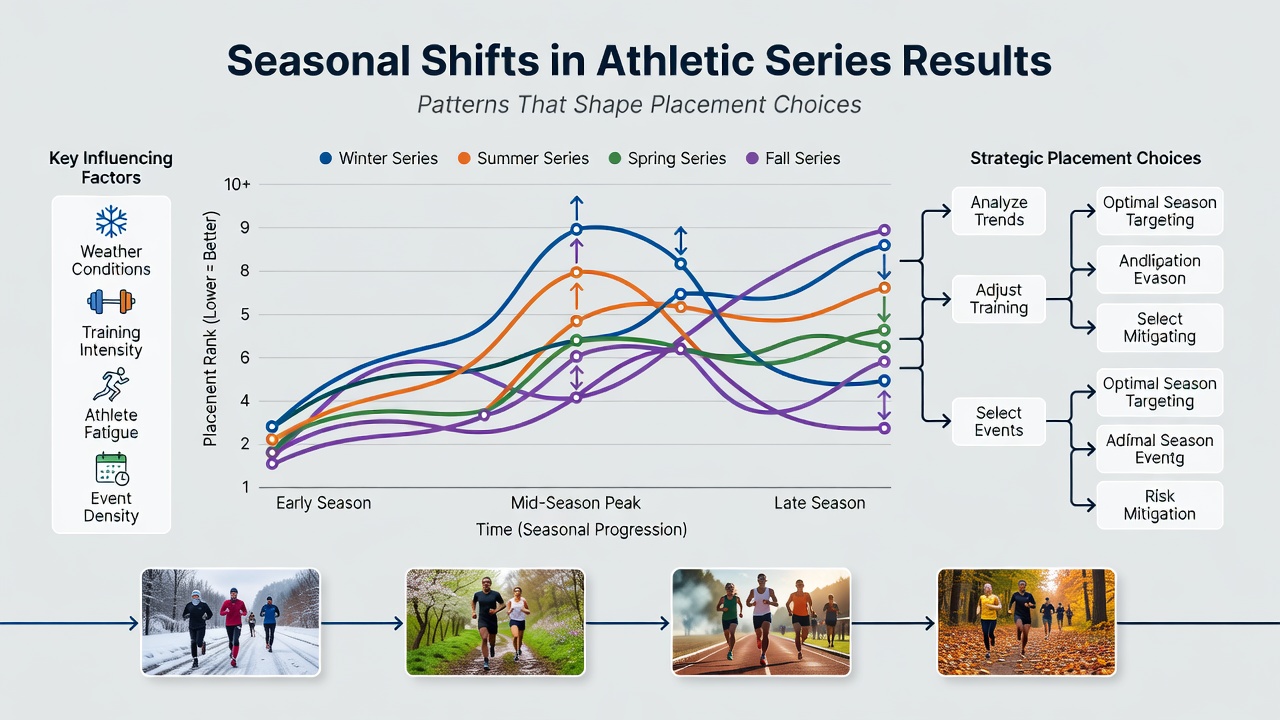
Placement decisions in fantasy drafts, roster selections, and strategic betting on outcomes frequently incorporate historical seasonal data to project future reliability. Teams and analysts review multi-year datasets to identify which athletes or units deliver above-average output during particular quarters. Patterns emerge most clearly in endurance-based series where cumulative fatigue compounds across repeated exposures to demanding conditions.
Geographic and League-Specific Variations
European football leagues operating in northern latitudes encounter distinct challenges during winter rounds, where shorter daylight and colder temperatures affect both training quality and match-day execution. Canadian hockey organizations, by contrast, report stronger home-ice advantages during colder months, according to league performance archives. These regional differences underscore why placement projections must account for venue distribution and travel demands tied to each season segment.
International competitions scheduled for August 2026 will likely follow established trends where acclimatization periods influence early results before teams stabilize. Data compiled by the International Olympic Committee shows that athletes from temperate climates often require additional adjustment time when events occur in contrasting zones, altering expected hierarchy in group stages and subsequent placement rounds.
Data Patterns Informing Strategic Placement
Statistical modeling of series results highlights repeatable sequences where underperforming units rebound during favorable seasonal windows. Analysts cross-reference injury reports, travel logs, and environmental records to refine forecasts that guide roster construction and resource allocation. Those examining placement trends over decades observe that squads ignoring seasonal variables incur higher variance in final rankings.
Academic reviews from institutions in multiple countries confirm that incorporating climate and calendar data improves predictive accuracy for long-format competitions. The patterns remain consistent enough across sports to support generalized planning frameworks while still requiring sport-specific calibration for optimal application.
Conclusion
Seasonal shifts in athletic series results arise from interconnected factors including weather, scheduling, and physiological adaptation that collectively determine placement outcomes. Comprehensive datasets spanning multiple leagues and regions demonstrate these influences operate reliably year after year. Organizations and analysts who integrate such information into preparation and projection processes gain clearer visibility into how cumulative effects unfold across an entire campaign. As August 2026 approaches, existing records continue to provide the baseline for anticipating how current cycles will align with documented seasonal behaviors.