Referee Selections Shape Scoring Patterns Across Domestic Leagues
Ulrich Hayes · Jun 7, 2026
Referee Selections Shape Scoring Patterns Across Domestic Leagues
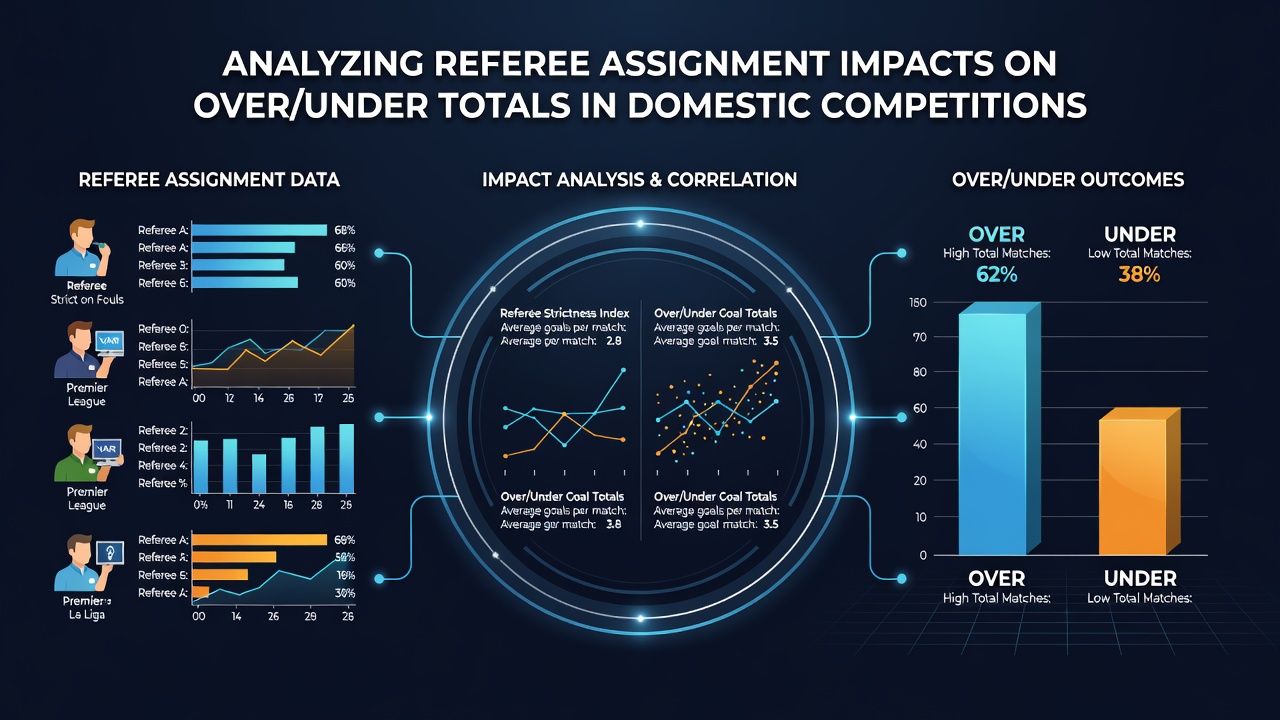
Referee assignments in domestic competitions create measurable shifts in game flow, and data from multiple leagues shows consistent patterns where certain officials correlate with higher or lower goal totals. Analysts track these trends through detailed match logs that record fouls, cards, and stoppage time, because these elements directly influence the pace at which teams create scoring opportunities.
Patterns in Official Tendencies
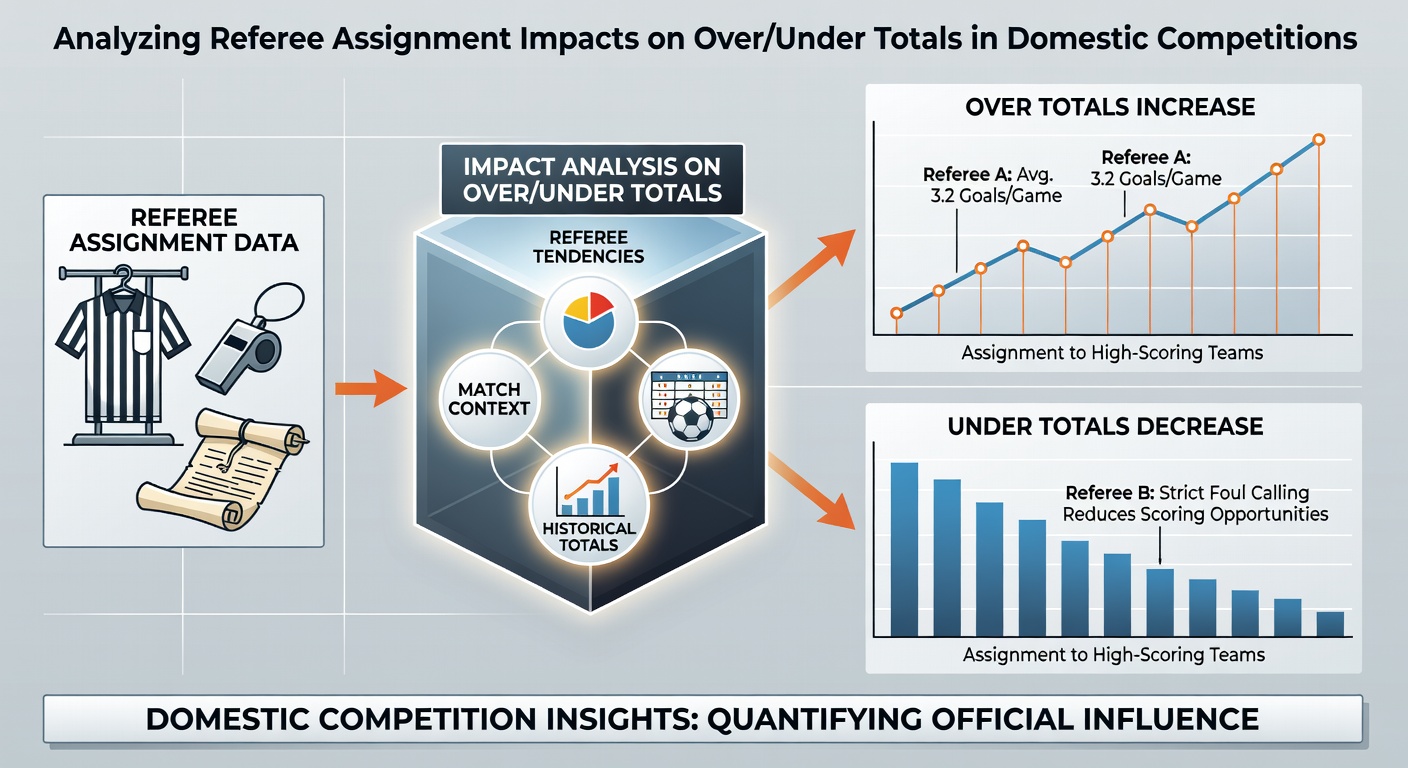
Studies compiled by sports research teams reveal that referees who issue more yellow cards per match tend to see reduced goal outputs, since frequent interruptions break attacking momentum. In contrast, officials known for allowing play to continue produce matches that finish above the average total goals line more often. These differences emerge clearly when researchers compare the same teams under different referee crews across a season.
Domestic leagues maintain public databases of referee statistics, and organizations such as the German Football Association publish annual reports that list average cards and stoppage minutes for each official. Teams and analysts use this information to adjust expectations for upcoming fixtures, particularly in competitions where referee rotation follows a fixed schedule.
Data Sources and Measurement Methods
Researchers collect referee performance metrics from official league feeds and cross-reference them with goal totals recorded by governing bodies. One approach involves sorting matches by referee identity and calculating mean goal counts over 50-game samples, which smooths out random variation. Another method tracks changes when the same referee moves between leagues or when new appointments occur mid-season.
Figures from European competitions indicate that matches handled by officials averaging under 3.5 cards per game finish with 2.8 total goals on average, while those with stricter crews average 2.4 goals. Similar calculations appear in reports covering South American domestic seasons, where the spread reaches nearly half a goal depending on the assigned referee.
League-Specific Observations
Observers note stronger effects in leagues that feature high possession styles, because stoppages compound when referees favor quick whistles. In lower-scoring competitions the impact appears smaller yet remains statistically detectable across full seasons. June 2026 marks the start of updated referee evaluation protocols in several European domestic structures, which may alter card distributions as officials adapt to new guidelines.
Take one analysis conducted on Italian Serie A data from 2023 through 2025: matches assigned to a particular group of officials produced over-2.5-goal outcomes in 48 percent of games, compared with 39 percent for the stricter cohort. Researchers repeated the exercise in the Brazilian Série A and found parallel gaps, although the absolute numbers differed due to stylistic variations between the two leagues.
Factors Beyond Cards and Fouls
Stoppage time represents another channel through which referee behavior influences totals. Officials who add extra minutes in the second half give teams additional chances to score, and data indicates these added periods correlate with late goals at higher rates than average. Temperature, crowd size, and fixture congestion also interact with referee style, yet assignment patterns still explain a measurable portion of variance when models control for those variables.
Academic papers hosted by institutions such as the University of Sydney have examined these interactions using regression techniques that isolate referee effects from team strength. Their findings align with league reports from the Australian Professional Leagues, which track similar metrics across A-League seasons and confirm that referee rotation influences both card counts and total goals in predictable directions.
Practical Applications for Analysis
Analysts incorporate referee data into pre-match models by weighting historical goal averages according to the assigned official. This adjustment improves forecast accuracy when sample sizes exceed 30 matches per referee. Some domestic competitions now release referee appointments earlier in the week, giving researchers additional time to update projections before markets close.
Those who monitor these trends also watch for changes in referee crews, such as promotions from lower divisions or international call-ups that temporarily remove an official from domestic duty. Each shift creates fresh data points that either reinforce or challenge existing patterns.
Conclusion
Referee assignments produce observable differences in goal totals across domestic competitions, and structured analysis of card counts, stoppage time, and historical outputs provides a factual basis for understanding those effects. Ongoing data collection from league authorities and academic sources continues to refine these measurements as new seasons unfold.