Prediction Markets Grab Larger Slice of U.S. Sports Betting Amid 2026 World Cup Action
Theo Powell · Aug 14, 2026
Prediction Markets Grab Larger Slice of U.S. Sports Betting Amid 2026 World Cup Action
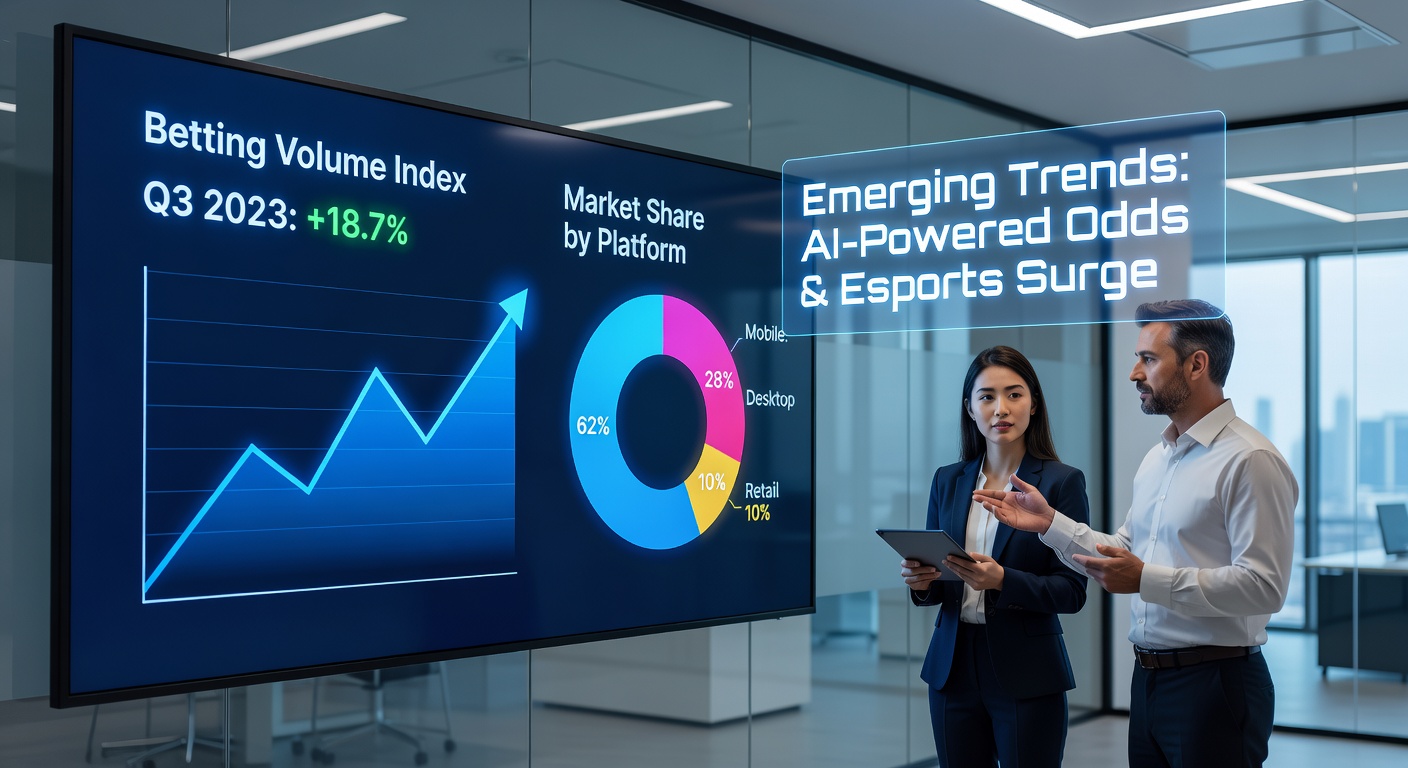
Prediction-market platforms registered significant expansion in trading activity throughout the 2026 World Cup, according to estimates that placed their share of legal U.S. sports-betting volume at approximately 27 percent by the end of the tournament period. That figure represented a rise from 9 percent recorded at the start of the year, and the increase occurred while traditional sportsbooks experienced comparatively slower growth in the same segment.
Kalshi and Polymarket stood at the center of this shift, with Kalshi posting record trading volumes on contracts tied to match outcomes and tournament milestones. Observers noted that Kalshi also attracted more daily active app users than several established competitors during peak tournament weeks, a development that coincided with expanded marketing efforts including stadium sponsorship arrangements.
Volume Growth and Market Share Data
Data compiled during the event showed prediction markets outpacing the expansion rates posted by major operators such as FanDuel and DraftKings over the same stretch. Estimates placed the combined prediction-market portion of legal U.S. sports-betting volume at the higher level after months of steady contract trading on World Cup results, and those numbers reflected broader participation in event-based contracts that extended beyond standard game wagers.
The upward movement in share occurred alongside regulatory oversight from the Commodity Futures Trading Commission, which governs platforms offering contracts on sports outcomes in addition to other event categories. This structure allowed users to engage with multiple types of contracts within a single regulated environment, and the approach drew attention as volumes climbed.
Kalshi Platform Performance
Kalshi achieved several measurable milestones during the tournament window, including the highest trading volumes recorded on its platform up to that point. Daily user figures on the Kalshi app exceeded those reported by certain larger sportsbooks for stretches of the competition, and the platform maintained aggressive promotional campaigns that featured visible stadium sponsorships.
Those sponsorship placements placed the platform branding in front of live audiences and broadcast viewers, contributing to increased awareness among potential participants. The combination of elevated trading activity and user engagement metrics positioned Kalshi as a leading player among prediction-market operators during the period.
Comparison With Traditional Sportsbooks
Traditional operators such as FanDuel and DraftKings continued to handle substantial betting volume throughout the World Cup, yet their relative growth in market share trailed the pace set by prediction-market platforms. Estimates indicated that the prediction-market segment captured a larger portion of overall legal U.S. activity by the conclusion of the tournament, and this redistribution occurred even as total sports-betting volume across all channels expanded.
The divergence in growth trajectories highlighted differences in product offerings, with prediction markets providing contracts on discrete events that appealed to participants seeking alternative formats. CFTC-regulated platforms maintained compliance requirements that distinguished them from certain other betting channels, and this regulatory status supported continued operation alongside established sportsbooks.
Regulatory Context and Contract Offerings
CFTC-regulated prediction markets operate under frameworks that permit trading on sports events while also supporting contracts tied to political, economic, and entertainment outcomes. This broader scope allowed platforms to maintain diversified contract catalogs during the World Cup period, and participants could access sports-specific contracts within the same interface used for other event categories.
The presence of these platforms introduced additional competitive dynamics into the legal U.S. sports-betting landscape, and the reported volume increases reflected user migration toward the prediction-market model during high-profile tournaments. Industry estimates attributed the shift partly to the visibility gained through marketing initiatives and partly to the structural features of event contracts.
Implications for Market Competition
The 2026 World Cup period demonstrated measurable movement in market-share distribution among legal betting operators, with prediction markets securing an expanded position relative to prior months. Kalshi's record volumes and user metrics, combined with stadium sponsorship visibility, contributed to the platform's profile during the event window.
Observers tracking regulatory developments noted that CFTC oversight continued to shape the operational boundaries for these platforms, and the ability to list sports contracts alongside other event types remained a distinguishing characteristic. The estimates released after the tournament provided one snapshot of how participant preferences aligned with available contract formats during the competition.
Conclusion
Estimates placed prediction-market platforms at 27 percent of legal U.S. sports-betting volume by the close of the 2026 World Cup, up from 9 percent earlier in the year, while Kalshi recorded peak trading activity and elevated daily app engagement. The reported gains occurred alongside marketing efforts that included stadium sponsorships, and the trend unfolded within the CFTC-regulated environment that permits sports contracts among other event-based offerings. Data from the period showed these platforms outpacing growth rates posted by traditional sportsbooks such as FanDuel and DraftKings, illustrating a shift in how legal betting volume distributed across operator types during the tournament.